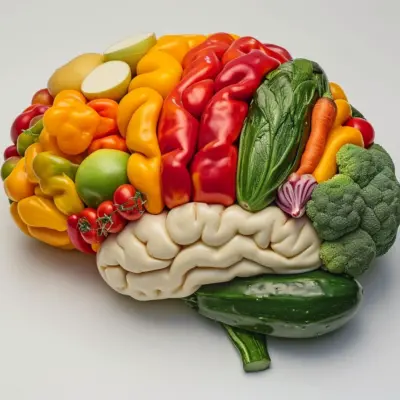
In the realm of health and wellness, the gut is increasingly recognized as a critical player. Far from just a pathway for food, our digestive system is a complex, deeply interconnected part of our body that has a profound impact on our overall well-being. This article delves into the fascinating world of gut health and explores how it shapes every aspect of our lives, from our physical fitness to our mental state.
The Gut-Brain Axis: A Two-Way Street
At the forefront of gut health research is the gut-brain axis, a bidirectional communication pathway linking the gastrointestinal tract and the brain. This connection means that your digestive health can influence your mental health, and vice versa. For instance, an imbalance in the gut microbiota has been linked to various mental health issues, including anxiety and depression. Conversely, stress and emotional turmoil can manifest as gastrointestinal problems. This highlights the importance of a balanced diet and stress management in maintaining both mental and physical health.
Microbiome: The Ecosystem Within
Your gut hosts trillions of bacteria, known as the microbiome, which play a crucial role in digestion, nutrient absorption, and immune function. A diverse and balanced microbiome is essential for good health. Factors such as diet, lifestyle, and antibiotics can disrupt this balance, leading to issues like irritable bowel syndrome (IBS), inflammatory bowel diseases (IBD), and even impacting cardiovascular health and obesity.
Diet and Digestion: You Are What You Absorb
The adage “You are what you eat” should be modified to “You are what you absorb.” The efficiency of your digestive system in breaking down food and absorbing nutrients directly affects your energy levels, immune response, and overall health. Diets rich in fiber, probiotics, and prebiotics are crucial in nurturing a healthy gut. These include foods like yogurt, kefir, kimchi, and high-fiber fruits and vegetables.
Inflammation: The Hidden Enemy
Chronic inflammation in the gut can be a silent threat, often going unnoticed until it manifests as a more severe health issue. Conditions like Crohn’s disease and ulcerative colitis are extreme examples, but even low-level inflammation can lead to fatigue, weight gain, and a higher risk of chronic diseases. Anti-inflammatory foods, such as turmeric, ginger, and omega-3 rich fish, can be beneficial.
The Role of Hydration and Exercise
Hydration and regular physical activity are also vital for gut health. Adequate water intake ensures smooth digestion and prevents constipation, while exercise has been shown to positively impact the diversity of the gut microbiome.
Gut Health and Weight Management
There’s an emerging understanding of how gut health influences weight management. An imbalanced gut microbiome can affect how your body metabolizes food and stores fat, making weight loss more challenging for some people. This has led to a surge in personalized nutrition plans based on individual gut microbiota profiles.
Mental Health and the Microbiome
Emerging research also points to the gut microbiome’s influence on mental health. Certain gut bacteria produce neurotransmitters like serotonin and dopamine, which play a key role in mood regulation. This discovery opens new avenues for treating mental health issues through dietary changes and probiotic supplements.
The Future of Gut Health: Personalized Diets and Treatments
As we continue to unravel the complexities of the gut, the future of health care looks increasingly personalized. We’re moving towards a model where individual microbiome analysis could inform personalized dietary recommendations and treatments for a range of diseases.
Conclusion: Listening to Your Gut
In conclusion, your gut health is a cornerstone of your overall well-being. A balanced diet, regular exercise, proper hydration, and stress management are not just good for your waistline but also for your mental health, immune system, and much more. As we continue to learn more about this fascinating aspect of human health, the saying “trust your gut” takes on a whole new meaning. Listen to your gut, and it might just lead you to a healthier, happier life.

Other Articles